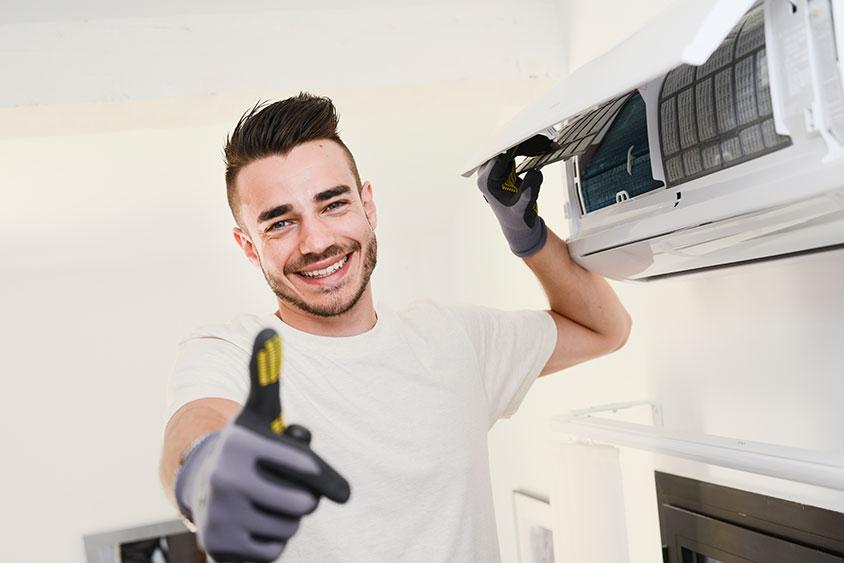
Northeast Florida includes dense city neighborhoods, coastal properties, planned communities, older homes, and fast-growing suburban areas. Those homes face different service conditions. Salt exposure near the coast, aging pipes in established neighborhoods, new electrical demand, storm risk, and long cooling seasons shape the work.
Lickety Split AC, Plumbing & Electric serves more than 15 communities across the region. The published footprint includes Jacksonville, Jacksonville Beach, Atlantic Beach, Ponte Vedra Beach, St. Augustine, St. Augustine Beach, St. Johns, Orange Park, Fleming Island, Middleburg, Oakleaf, Callahan, Bryceville, Lakeside, and World Golf Village.
Local coverage supports faster routing
A broad service area only works when dispatch, staffing, and trade availability match demand. Lickety Split operates from locations tied to Jacksonville, Jacksonville Beach, and St. Augustine. This network places teams closer to several population centers rather than relying on one distant base.
The company’s professional profile lists its Jacksonville headquarters and gives homeowners a view of the organization behind the regional service footprint.
Coastal and inland homes face different pressures
Homes near the Beaches deal with salt air and humidity that affect outdoor HVAC equipment and metal components. Inland and growing communities often add pools, EV chargers, larger appliances, and home offices that increase electrical demand. Older neighborhoods face their own concerns, including dated panels, aging supply lines, and past repairs from different eras.
A regional provider needs enough service breadth to address these differences. Lickety Split works across air conditioning, heating, plumbing, drains, water heaters, wiring, panels, generators, and related home systems. The integrated model gives customers one contact even when a problem crosses trade lines.
Homeowners will find a concise overview of Lickety Split for background on the company and its service approach.
Local visibility helps homeowners understand whether a provider works in homes like theirs. Project images, technician content, maintenance reminders, and customer stories on Instagram show activity across the company’s service region.
Homeowners should confirm service availability for a specific address when scheduling. The larger point is clear: Lickety Split has organized its locations, workforce, and three-trade model around the needs of Jacksonville, St. Augustine, and the surrounding Northeast Florida communities.
In the fast-paced world of today, expenses can come out of nowhere, and effective money management is key in dealing with your personal finances. For more information, click on good at moneylender tanjong pagar. To ensure financial stability and prevent financial stress, individuals must grasp the essentials of managing their personal finances and consider their short-term loan choices.
Understanding Personal Finance Basics
Managing your income, expenses, savings, and investments is the first step in personal finance. One of the best methods of keeping track of where the money goes is to make a monthly budget. It can help you determine whether you are spending money needlessly or if you’re making sure to pay your bills, including rent, utilities, and groceries.
Things to know before taking short term loan
Even when planning has been done, there can be situations where you need immediate cash. Short-term loans may be beneficial in cases of medical emergencies, sudden repairs, or cash flow gaps for a short period of time. The loans are meant to be repaid in a brief time frame, typically a couple of weeks to a couple of months, and are a rapid remedy for instant needs.
Evaluates the options for loans carefully
Consider your interest rates, processing fees, and repayment terms. Although short-term loans are handy, they tend to be more expensive than long-term loans. It is important to understand the overall expense of the loan so that there is no unforeseen financial burden in the future.
Responsible Borrowing Practices
Spending less than you borrow is essential to good financial health. Only borrow what you need and have a repayment plan. Advanced financial planning can help make sure that the loan repayment is within your financial capacity.
Balancing Loans with Financial Goals
Short-term loans shouldn’t interfere with your long-term financial objectives. When it comes to saving money for a big purchase, investing, or retirement, it is important that borrowing doesn’t get in the way. There is a balance that has to be achieved between the need for short-term and long-term goals that are important to having overall stability.
Evaluating options for financing instead of a loan
Think about other options before taking out a short-term loan. This can be done by saving or borrowing from family, or cutting back on expenses for a short period. It’s important to take a look at every option, so that borrowing is not your first option.
Conclusion
Planning and knowing what you’re doing are important when it comes to taking on a short-term loan as well as handling your personal finances. Knowing your financial standing, comparing loan choices, and borrowing wisely can enable you to make the most of short-term requirements without sacrificing long-term stability.
Eliminating wasps near doorways, treating termites in the framing, baiting rats in the attic–these aren’t overreactions. These are calculated measures meant to reduce direct health hazards and prevent damage that can cost thousands. In some regions, rodent infestations have led to leptospirosis outbreaks. In others, unchecked carpenter ant colonies quietly hollow out support beams. Ignoring the issue isn’t passive; it’s costly.
Left unchecked, certain species reproduce rapidly–mice can breed up to ten times a year, with five or more pups each time. Cockroach numbers can skyrocket within weeks, especially in poorly ventilated buildings. That’s part of why routine monitoring matters, not just seasonal responses. Traps, barriers, exclusion methods–each has its place. But it depends on the situation: field mice in a rural garage don’t call for the same approach as pavement ants under a downtown restaurant floor.
I’ve seen properties where minor sightings became full-blown emergencies because no action was taken early on. One Calgary client waited until squirrels chewed through wiring, causing a small fire. Another underestimated how quickly silverfish could destroy stored books and papers. Preventative measures–screening, sealing, habitat reduction–aren’t just optional upgrades. They’re insurance against disruption.
Still, the line between acceptable presence and harmful intrusion isn’t always obvious. A few flies near compost bins? Probably manageable. A steady trail of them into your kitchen? Different story. That grey zone requires judgment, not just rules. It’s not about reacting to fear, but assessing risk and understanding what’s at stake for your home, health, or business.
Professional help makes a difference, especially when species are aggressive, resilient, or pose legal or ecological concerns. If you’re in the Calgary area, The Pest Control Guy offers tailored approaches–no blanket treatments, just the right tools for the problem at hand. If you’re unsure what’s nesting behind your walls or under your deck, it’s worth getting an expert opinion before a small issue escalates.
Why Do Humans Try to Control Pest Populations
Reduce disease transmission – that’s the first reason most people act. Rodents can spread leptospirosis, fleas can carry murine typhus, and flies that hover around drains? They might not look like much, but they can transfer bacteria like E. coli onto kitchen surfaces. If you’ve seen small, winged insects near your sinks, here’s more on can pest control get rid of drain flies.
Food supply is another major pressure point. Grain storage facilities, restaurants, even backyard gardens – they’re all vulnerable. It’s not just about chewing through packaging. Insects like beetles or moths can lay eggs directly in bulk food containers. Once the larvae hatch, contamination becomes unavoidable. Prevention here isn’t optional. It’s economic damage waiting to happen.
Property protection also plays a role, but it’s not always obvious right away. Termites operate in silence. Carpenter ants do too. It’s often months before people notice swelling in drywall or buckling floorboards. By then? Repairs can reach thousands. And urban wildlife – raccoons, squirrels, skunks – they’re not just cute intruders. They tear insulation, nest in attics, and sometimes leave behind biohazards. Letting them stay isn’t just annoying. It’s risky.
There’s a behavioural component too – stress, discomfort, even fear. For some, the sight of a cockroach in the kitchen or a wasp near the patio is enough to disrupt sleep or avoid entire parts of their home. It’s not dramatic. It’s normal. Living with infestations, even mild ones, often creates a low-grade anxiety most people don’t talk about until it’s gone. Then they realize how much space those intrusions took up in their minds.
So the motivation is layered. Health, money, property, peace of mind – often, it’s all of them at once. And sometimes the goal isn’t to eliminate, just to manage. Not every fly has to vanish. But people do want control back. They want to know they’re not reacting too late.
How pests impact food supply chains and agricultural productivity
Preventing infestations early helps avoid supply chain disruptions that start at the field level. Once certain insects or rodents settle into a crop, yields can drop by 30–40%, sometimes more. That doesn’t just affect the farm–it creates a domino effect. Storage becomes compromised. Shipments are delayed. Processors deal with contaminated goods. And grocery prices quietly climb.
Grain beetles, for example, can destroy entire batches in silos before anyone notices. Aphids reduce crop vigour so severely that even short-term exposure can ruin weeks of growth. And in greenhouse setups, whiteflies can force growers to rip out entire rows prematurely just to contain the spread. It’s not just insects either–mice and rats chew through packaging, wiring, and stored food in distribution centres, leaving behind bacteria and massive clean-up costs.
Cost of inaction adds up quickly
There’s a false sense of savings in delaying intervention. A small infestation might feel manageable at first, but by the time the damage becomes visible, recovery becomes far more expensive than prevention. Farmers may lose not just the harvest, but future planting capacity if the soil or infrastructure is compromised.
One Alberta grower I spoke to shared how just one season of unchecked cutworm damage left several acres unusable without full regrading. The replanting costs were bad enough–but the lost contracts? That stung more. It’s hard to build trust with buyers after a failed delivery.
Small actions protect the whole chain
Regular inspections, integrated monitoring systems, and professional support reduce these risks significantly. Even low-visibility threats, like drain fly larvae in processing drains, can disrupt compliance in food-safe facilities. (More on that here: can pest control get rid of drain flies.)
In short, field-to-fork reliability starts with awareness and a bit of strategic vigilance. A few missed signs? They can throw off an entire growing season–or worse, the buyer relationships that rely on it.
What health risks pests pose in residential and urban environments
Addressing infestations early is the most practical way to reduce exposure to serious health threats in homes and cities. Many species carry bacteria, allergens, or parasites that can easily spread through surfaces, air, or food.
For instance, cockroaches are known to trigger asthma attacks–especially in children. Their saliva, feces, and body parts become airborne particles that can irritate lungs. I’ve seen tenants complain for months before realizing the source was hiding behind their fridge the whole time. Rodents, on the other hand, often go unnoticed until they leave droppings or chew through electrical wires. But beyond property damage, rats and mice can transmit salmonella or hantavirus. That second one can actually become fatal, though rare.
Common threats found in homes and city buildings
Rodents: Spread diseases through urine, droppings, or bites. Nesting materials can also contaminate insulation and attic spaces.
Cockroaches: Linked to allergic reactions, skin rashes, and respiratory distress. Their rapid breeding makes small issues worse in just weeks.
Bed bugs: Don’t carry pathogens, but their bites often lead to secondary infections due to scratching. Some people develop anxiety or insomnia from repeat infestations.
Flies: Houseflies and drain flies can transport pathogens from garbage or drains to food prep surfaces. Cross-contamination happens fast.
Ants: Some species, like Pharaoh ants, have been found carrying staph bacteria–especially problematic in hospitals and senior care homes.
Urban-specific concerns
Multi-unit housing creates shared walls, vents, and plumbing lines. That means if one unit is affected, the whole structure could be at risk. Cities also have more public waste bins, storm drains, and restaurant dumpsters–ideal conditions for infestations to grow unnoticed. It’s not just about sanitation either. Even luxury condos in Calgary deal with hidden mouse trails or wasp nests in underground parkades.
Professionals often recommend seasonal inspections and sealing structural gaps to stay ahead of these risks. And if you’re dealing with recurring drain flies, this article on can pest control get rid of drain flies might help clarify what you’re really up against.
How infrastructure and stored goods stay safe with targeted mitigation methods
Warehouse shelving, electrical wiring, insulation, packaging–none of these things stand a chance once rodents or insects get a foothold. If you’re storing inventory, materials, or equipment long-term, even a few weeks of unnoticed damage can cost thousands in replacements or repairs.
Carpenter ants, for example, don’t just chew through wood; they excavate it, weakening beams and structures. Rats and mice are notorious for gnawing on wires, causing short circuits or, worse, fire hazards. And grain beetles? They quietly ruin entire batches of food products in sealed containers without anyone noticing–until it’s too late.
Most commercial storage areas and older buildings aren’t sealed tight. Tiny gaps along vents, loading docks, or drainage systems offer perfect entry points. The risk escalates in winter when animals seek warmth or in summer when reproduction peaks. That’s why ongoing inspection–not just a one-time treatment–matters.
It’s not just about elimination–it’s about prevention
You can avoid expensive cleanup and downtime by scheduling regular monitoring. Many Calgary property owners overlook this until something breaks or stops working. Preventative programs–especially for facilities holding temperature-sensitive or flammable items–can identify vulnerabilities early and reduce financial risk dramatically.
If you’re wondering how to choose the best pest control company, look for one that understands commercial infrastructure, not just residential services. The techniques vary, and so does the liability.
Cost now vs. cost later
Sure, treatment plans come with a price. But compare that to the cost of rewiring a small building after rodents chew through cabling–or losing an entire shipment due to contamination. Even the bill for a localized wasp problem–if they’ve nested in walls or eaves–can be surprisingly high. Here’s a quick breakdown of how much pest control costs for wasps, depending on the location and severity.
It’s not just about saving money, though. It’s peace of mind knowing your building won’t fail you just because something tiny moved in where it shouldn’t have.
Q&A:
How do pests damage food supplies on farms?
Insects like aphids, beetles, and caterpillars feed on crops, reducing both yield and quality. Rodents may eat stored grain or contaminate it with droppings and urine. Some pests also carry plant viruses or fungi that destroy harvests before they reach the market.
Why are pest control measures used in cities?
Urban areas provide ideal conditions for rats, cockroaches, and other unwanted species. Without control, they can spread diseases, damage electrical wiring, and invade homes and businesses. Pest management reduces these risks and helps maintain public health and sanitation standards.
What methods are commonly used to reduce pest populations?
People use physical barriers, traps, chemical treatments, and biological controls like introducing natural predators. The choice depends on the environment, the species involved, and the potential impact on humans, animals, or crops nearby.
Can pest control protect infrastructure?
Yes. Termites can weaken wooden structures, rodents chew through insulation and wiring, and some insects block drainage systems. Regular monitoring and intervention prevent long-term structural damage in homes, public buildings, and utility systems.
Is pest control only about killing insects?
No. Pest control includes prevention, monitoring, and habitat modification. Removing food sources, sealing entry points, and using natural deterrents are all part of a broader approach that doesn’t rely solely on extermination.
Calgary Air Heating and Cooling Ltd is here to provide you with the best air conditioning services in Calgary, Alberta. Whether you’re seeking expert AC repair or a high-quality AC installation for your home or business, understanding the role of the condenser in your air conditioning system is essential for maintaining optimal performance. The condenser is a crucial component of your air conditioning system, responsible for releasing heat absorbed from inside your home. Located in the outdoor unit, the condenser works by compressing the refrigerant gas, cooling it down, and converting it into a liquid. This process helps to maintain the comfortable indoor temperatures you rely on, making it essential to keep your system running efficiently. If your condenser is malfunctioning, you may experience poor cooling performance, higher energy bills, and even system failure. Our team at Calgary Air Heating and Cooling Ltd specializes in professional AC repair and maintenance services, ensuring your air conditioning system stays in top condition year-round. Contact us today to learn more or schedule a service!
What is a Condenser in an Air Conditioning System?
In any air conditioning system, the condenser plays a crucial role in cooling your home or office effectively. It is the component responsible for releasing the heat absorbed from the indoor air to the outside environment. Understanding the condenser’s function can help you appreciate the importance of regular maintenance and timely repairs to ensure efficient performance of your AC system.
How Does a Condenser Work?
The condenser in an air conditioning system is typically located outside the building. It contains coils through which refrigerant gas passes. As the refrigerant moves through the condenser, it cools down and transforms from gas to liquid. This process releases heat, which is expelled into the surrounding air. Proper functioning of the condenser ensures that your air conditioner can continue to cool your home effectively.
Why is Regular Maintenance Important for Your Condenser?
Over time, dirt, debris, and even weather conditions can obstruct the condenser’s coils, leading to reduced cooling efficiency. If left unmaintained, this can cause the system to overheat and even result in a breakdown. Calgary Air Heating and Cooling Ltd. offers professional air conditioning maintenance services to clean, inspect, and optimize your condenser, ensuring your system runs smoothly year-round.
Service
Description
Benefits
Condenser Cleaning
Thorough cleaning of condenser coils to remove dirt and debris
Improves efficiency, prevents overheating, and extends the lifespan of your AC system
Inspection
Inspection for any potential issues such as leaks or damaged components
Ensures the correct amount of refrigerant is in the system
Prevents reduced cooling performance and potential damage to the compressor
How a Condenser Affects Cooling Performance in Calgary
The condenser is a vital component in any air conditioning system, playing a significant role in its overall performance, especially in Calgary’s unique climate. When an AC system is running, the condenser releases the heat absorbed from inside the building, allowing the refrigerant to cool down and return to a liquid state. This process is essential for maintaining the cool air circulating through your home or business. If the condenser is malfunctioning or not operating efficiently, it can drastically reduce the effectiveness of the cooling system, resulting in higher energy bills and reduced comfort. In Calgary, where summer temperatures can rise unexpectedly, having a fully functional condenser is crucial. A well-maintained condenser ensures that your AC unit runs smoothly even during the hottest days. Calgary Air Heating and Cooling Ltd offers professional air conditioning repair services that include condenser diagnostics and maintenance, ensuring your system operates at peak efficiency. When the condenser faces issues such as dirt buildup or refrigerant leaks, the cooling process is compromised. A dirty condenser coil, for instance, struggles to expel heat, leading to higher pressure within the system and increased energy consumption. Calgary’s dry climate can exacerbate these issues, with dust and debris clogging the condenser over time. Regular maintenance from Calgary Air Heating and Cooling Ltd can help avoid these common problems and keep your system performing at its best. For both residential and commercial properties in Calgary, ensuring the condenser is in top condition is essential for achieving optimal cooling performance. Calgary Air Heating and Cooling Ltd specializes in condenser repair and maintenance, helping you maintain a comfortable indoor environment regardless of the outside temperature.
Common Issues with Condensers in Calgary’s Climate
In Calgary’s unique climate, condensers in air conditioning systems often face specific challenges. The combination of hot summers and cold winters can put additional strain on your AC system, especially on the condenser. Below are some of the most common issues that Calgary homeowners and businesses experience with condensers:
Freeze-ups: Calgary’s cold temperatures can cause the refrigerant in the condenser to freeze, leading to poor performance or complete failure. Proper insulation and regular maintenance are key to preventing freeze-ups.
Clogged Condenser Coils: Dust, dirt, and debris can accumulate on the coils, reducing efficiency. This issue is more likely during Calgary’s short but intense summer, where outdoor conditions can quickly affect the condenser. Regular cleaning helps maintain optimal airflow and cooling performance.
Low Refrigerant Levels: Low refrigerant levels in the condenser can occur due to leaks or improper installation. This issue is common in Calgary as fluctuating temperatures can exacerbate leaks and cause system inefficiency. Calgary Air Heating and Cooling Ltd recommends periodic checks and recharging of refrigerant to keep your system running smoothly.
Electrical Failures: Power surges or improper installation can lead to electrical issues in the condenser unit. Calgary’s weather can cause unexpected power fluctuations that might damage the electrical components of your AC system, leaving you with a malfunctioning condenser. Regular electrical inspections can prevent these costly problems.
Blocked Airflow: The condenser needs unobstructed airflow to function correctly. In Calgary, fallen leaves, snow, or even ice can block airflow to the condenser. Ensuring that the area around the unit is clear of obstructions is essential for efficient operation.
To avoid these common issues, it is important to schedule regular maintenance with experts like Calgary Air Heating and Cooling Ltd. Our team is dedicated to providing top-notch AC repair services and ensuring your system runs efficiently throughout the year.
How to Maintain Your Air Conditioning Unit’s Condenser
Regular maintenance of your air conditioning unit’s condenser is crucial to ensure its efficiency and longevity. At Calgary Air Heating and Cooling Ltd, we recommend the following tips to keep your condenser in top shape: 1. Clean the Condenser Coils Over time, dirt, dust, and debris can accumulate on the condenser coils, causing the unit to overheat and reducing efficiency. To clean the coils, first turn off the power to the system. Use a garden hose to gently spray the coils, removing any dirt. Be sure not to bend or damage the coils while cleaning. Regular cleaning helps maintain optimal cooling performance. 2. Keep the Area Around the Condenser Clear Ensure that there is no debris, leaves, or shrubs blocking the air flow around your condenser unit. Proper airflow is essential for the condenser to work effectively. Trim any plants or obstacles within a few feet of the unit to allow for maximum ventilation and prevent the unit from overheating. 3. Check the Condenser Fan The fan in the condenser helps expel the heat from the refrigerant. Make sure the fan blades are clean and not obstructed. If the fan is not working correctly, it can cause the condenser to malfunction. If you notice any issues, contact Calgary Air Heating and Cooling Ltd for a professional inspection and repair. 4. Inspect the Refrigerant Levels Low refrigerant levels can strain the condenser and lead to inefficient cooling. If you suspect low refrigerant levels, call a certified technician from Calgary Air Heating and Cooling Ltd to inspect and recharge the refrigerant in your system. 5. Schedule Regular Professional Maintenance While there are tasks you can perform yourself, it’s essential to have a professional technician inspect and service your unit at least once a year. Calgary Air Heating and Cooling Ltd provides expert AC maintenance services in Calgary, ensuring that your air conditioning system runs smoothly throughout the season.
Signs Your Condenser Requires Repair or Replacement
Recognizing when your air conditioning condenser needs repair or replacement can save you from expensive breakdowns and improve the efficiency of your system. Here are the most common signs that your condenser may require attention:
Excessive Noise: If your condenser starts making loud, unusual noises such as grinding, buzzing, or clanking, it may indicate a mechanical problem that requires immediate attention.
Reduced Cooling Efficiency: If your air conditioner isn’t cooling as effectively as before, it could be a sign that your condenser is malfunctioning. This often leads to higher energy bills as the system works harder to maintain the desired temperature.
Increased Energy Costs: If your energy bills have risen unexpectedly and the system isn’t performing as efficiently as it should, a failing condenser could be to blame.
Visible Damage: Physical damage to the condenser, such as dents, cracks, or rust, can affect its performance. If the condenser has sustained significant damage, it may be time for a replacement.
Warm Air Blowing: If the AC unit is blowing warm air instead of cool air, it’s likely that the condenser is not functioning properly, preventing the refrigerant from circulating as needed.
Leakage of Refrigerant: Leaks in the condenser can lead to a loss of refrigerant, which is essential for cooling your home or office. If you notice a refrigerant leak, it’s crucial to have it fixed immediately by a professional technician.
Why Timely Repairs Matter
Ignoring these signs can result in more severe damage to the entire air conditioning system, leading to costly repairs or complete replacement. If you’re experiencing any of these issues, contact Calgary Air Heating and Cooling Ltd. Our experts will quickly assess the situation and provide reliable solutions to keep your AC running smoothly.
Contact Calgary Air Heating and Cooling Ltd
For top-notch air conditioning services in Calgary, Alberta, trust Calgary Air Heating and Cooling Ltd. Our experienced technicians specialize in both residential and commercial AC repair and installation. Don’t let a faulty condenser disrupt your comfort–call us today for fast, efficient service!
Choosing the Right Condenser for Your Calgary Home
When selecting the right condenser for your home, it’s crucial to consider both efficiency and reliability, especially in Calgary’s ever-changing climate. A well-chosen condenser can significantly impact the performance and lifespan of your air conditioning system. At Calgary Air Heating and Cooling Ltd, we ensure that every condenser we recommend is suited to your specific cooling needs and your home’s size.
Factors to Consider
Several factors should guide your decision-making when purchasing a condenser. First, ensure the unit is compatible with your existing system. If you’re replacing an old condenser, it’s essential to choose one that matches the specifications of your air handler or furnace. Additionally, consider the SEER (Seasonal Energy Efficiency Ratio) rating; the higher the SEER, the more energy-efficient the system. In Calgary, where the summer months can be intense, a high-SEER unit will help reduce your energy bills.
Professional Installation Matters
Even the best condenser won’t perform optimally if it’s not installed correctly. At Calgary Air Heating and Cooling Ltd, our expert technicians provide precise installation services, ensuring your new condenser operates at peak efficiency from day one. Improper installation can lead to inefficiency, premature wear, and higher maintenance costs. Our team ensures everything from airflow to refrigerant levels is set up properly to maximize the life of your condenser. Choose wisely, and ensure that your condenser is installed by professionals who understand the unique demands of Calgary’s climate. With Calgary Air Heating and Cooling Ltd, you can trust that you’re making the right investment for long-term comfort and energy savings.
Cost Factors for Condenser Services in Calgary
When it comes to condenser services for air conditioning systems in Calgary, understanding the cost factors is crucial for homeowners and businesses. At Calgary Air Heating and Cooling Ltd, one of the best AC maintenance and repair companies in Calgary, we ensure transparency and provide high-quality service for all your AC needs. Here are the main factors that influence the cost of condenser services: 1. Type of Condenser: The type of condenser in your air conditioning system plays a significant role in the overall service cost. There are different models, such as air-cooled, water-cooled, and mini-split condensers, each with varying levels of complexity and maintenance requirements. 2. Age and Condition of the Equipment: Older condensers or those in poor condition may require more extensive repairs or even full replacement. The older the system, the more likely it is to have worn-out parts that need attention, which can increase repair costs. 3. Labor and Expertise: The skill and experience of the technician performing the service is another important cost factor. Highly trained professionals, like those at Calgary Air Heating and Cooling Ltd, may charge a premium for their expertise, but their thoroughness and reliability can save you money in the long run by preventing future breakdowns. 4. Replacement Parts: If your condenser requires replacement parts, the cost will depend on the quality and availability of those parts. Premium parts can enhance system efficiency but may come at a higher initial cost. However, investing in high-quality components can increase the longevity and performance of your AC unit. 5. Service Frequency: Regular maintenance and timely repairs can prevent costly emergency services down the road. The more frequently you service your condenser, the better the chances of avoiding expensive repairs and extending the lifespan of your system. 6. Seasonal Demand: The time of year can impact the cost of services. During peak seasons (such as summer), demand for AC repairs and services rises, which can lead to higher prices due to increased demand for skilled technicians and parts. At Calgary Air Heating and Cooling Ltd, we provide competitive pricing without compromising on quality. We recommend scheduling regular maintenance to ensure your condenser runs efficiently, saving you money in the long run while avoiding unexpected repair costs.
What is a Condenser in an Air Conditioning System?
The condenser is a crucial component of your air conditioning system. It plays a vital role in releasing the heat absorbed from the inside of your home or business. When the refrigerant flows through the condenser coils, it releases the heat to the outside air, cooling the refrigerant so that it can cycle back into the system. This process allows your AC to maintain a consistent and cool environment inside your space, whether residential or commercial. At Calgary Air Heating and Cooling Ltd, we specialize in the maintenance and repair of condensers to ensure optimal performance and energy efficiency. If your air conditioner isn’t cooling as effectively as it should, the condenser could be the culprit. A dirty or malfunctioning condenser can reduce the system’s efficiency, leading to higher energy bills and potential breakdowns. Our expert team in Calgary offers reliable condenser repair services to restore your system to full functionality. Ensure your AC system runs smoothly and efficiently with the help of Calgary Air Heating and Cooling Ltd, one of the best AC repair companies in Calgary.
Calgary Air Heating and Cooling Ltd Contact Information:
What is a condenser in an air conditioning system in Calgary?
A condenser in an air conditioning system is a key component that helps release heat from the refrigerant. It is typically located outside the building and looks like a large metal box with a fan. As the refrigerant passes through the condenser coils, it cools down and releases the heat absorbed from inside your home or office. In Calgary, where temperatures can fluctuate, ensuring the condenser is functioning properly is crucial for effective cooling during warmer months.
How does a condenser function in Calgary’s air conditioning system?
The condenser in an air conditioning system works by transforming hot gas refrigerant into liquid form. The refrigerant is pressurized in the compressor, and when it reaches the condenser coils, the heat is expelled into the outdoor air. The process helps cool the air inside your space. In Calgary, this is especially important during the summer months when cooling systems are put to work during occasional hot spells. Regular maintenance ensures your condenser works efficiently and prevents unnecessary breakdowns.
What problems can arise with a condenser in an air conditioning system in Calgary?
Common issues with condensers in Calgary’s air conditioning systems include refrigerant leaks, dirty coils, and electrical problems. A refrigerant leak can lead to a drop in cooling efficiency, while dirty coils can prevent heat from being properly expelled. If these problems are not addressed, the system may not cool your home effectively. Calgary’s temperature shifts mean that some condensers may be put to the test in extreme conditions, so regular inspection and maintenance are important to avoid unexpected failures.
Can a condenser freeze in Calgary’s cold weather?
Yes, a condenser can freeze in extremely cold weather, especially if it has a build-up of ice or dirt on the coils. While air conditioning systems are designed for hot temperatures, the extreme cold in Calgary can sometimes cause condensation to freeze, which affects the performance of the system. This usually happens when the system continues to run in cold weather, or when there’s an issue with the refrigerant. It’s important to schedule regular maintenance before Calgary’s harsh winter months to avoid such issues.
How can I tell if the condenser in my air conditioning system needs repair in Calgary?
If you notice that your air conditioner is not cooling as well as it used to, making unusual noises, or if the outdoor unit is leaking water or refrigerant, these are signs that the condenser might need repair. Additionally, if the unit is running continuously without effectively lowering the temperature inside, it’s time to have it checked. In Calgary, where temperatures can be unpredictable, regular inspections of the condenser can help catch these issues early and keep your system running smoothly.
What is the role of a condenser in an air conditioning system in Calgary?
A condenser in an air conditioning system is responsible for releasing the heat that the system has absorbed from the indoor air. It works by transferring the heat from the refrigerant gas to the outside environment, allowing the refrigerant to cool down and turn back into a liquid state. This process is crucial in maintaining a comfortable indoor temperature, as it helps to expel unwanted heat from the space. In Calgary, where summers can vary in temperature, having a properly functioning condenser ensures that the air conditioning system operates smoothly, providing effective cooling during warmer months.
Dealing with insects can be animist dating challenge for both homeowners and business owners. They not only cause injury to property but also carry health dangers. Finding a good at pest control services can make a significant difference in effectively managing and eliminating these unwanted invaders. Here’s why professional pest control services are vital& how they can benefit you.
Pest Identification
The 1st step in any pest control strategy is correctly classifying the type of pest and the extent of the infestation. Professional pest control services have the expertise to identify a wide range of pests, from termites and rodents to bed bugs and cockroaches. Precise identification is vital because it controls the most real treatment method.
Treatment Plans
Once the annoyance has been identified, a good pest regulating service will create a nice treatment plan to fight your situation. They think about factors like the type of pest, the severity of the infestation, and the layout of your property. This modified tactic makes sure that the treatment is effective & minimizes any likely harm to your house& health.
Ecologically Welcoming Methods
Many people are concerned about the chemicals used in pest control treatments. A reputable pest control service prioritizes safety and environmental responsibility. They use advanced, eco-friendly products and techniques that effectively eliminate pests without posing a risk to your family, pets, or the environment. This approach ensures that your home or business remains a safe place after treatment.
Expert Knowledge
Specialized pest control specialists have hard training. They understand the habits and behaviors of different pests, which allows them to effectively target and eliminate infestations. Their know-how confirms that the work is done nicely at the first time.
Peace of Mind
One of the most top benefits of hiring a pest control facility is the amity of mind it brings. Knowing that experts are handling your pest problem allows you to focus on other important aspects of your life or business. You can chill knowing that your place is safe from bugs and other unwanted organisms.
Conclusion
Picking a good at pest control services is essential for maintaining a safe and healthy environment in your home or business. Professional pest control services offer effective pest identification, tailored treatment plans, safe and eco-friendly methods, and preventative measures. For reliable pest control solutions, consider visiting Eminent Pest Control to explore how their expert services can help you eliminate pests and protect your property.
In the realm of business and commerce, first impressions are everything. A clean and well-maintained workspace not only reflects professionalism but also significantly influences the morale and productivity of employees. Enter the world of commercial cleaning – a crucial yet often overlooked aspect that plays a pivotal role in shaping the aesthetics, functionality, and overall success of any business environment.
The Essence of Commercial Cleaning
Commercial cleaning is more than just sweeping floors or wiping surfaces. It encompasses a diverse array of specialized services designed to maintain cleanliness and hygiene in various commercial settings. From office buildings, retail spaces, to industrial complexes and medical facilities, each environment has its unique cleaning requirements.
Beyond Aesthetics: The Role of Hygiene
While a sparklingly clean workspace contributes to the overall ambiance, its impact goes deeper. The maintenance of cleanliness in commercial spaces is directly linked to the health and well-being of the occupants. In workplaces, a sanitized environment reduces the spread of illnesses, thus lowering absenteeism and promoting a healthier workforce.
Tailored Cleaning Solutions
One of the remarkable aspects of commercial cleaning lies in its adaptability. Every business environment is unique, and commercial cleaning services understand this diversity. They offer tailored solutions, considering the specific needs of each space. From regular janitorial services to specialized cleaning of high-traffic areas, carpets, and even computer systems, commercial cleaning companies customize their approaches to suit individual client requirements.
Embracing Technology for Efficiency
In the modern age, technology has seeped into every sector, and commercial cleaning is no exception. The industry is embracing innovative tools and techniques that not only enhance efficiency but also ensure a higher standard of cleanliness. From state-of-the-art cleaning equipment to the use of eco-friendly, sustainable cleaning products, technology is reshaping the way commercial spaces are being cleaned, making it more effective and environmentally conscious.
Impact on Business Success
A clean and well-maintained commercial space directly impacts the success of a business. Customers, clients, and partners are more likely to trust and engage with a company that upholds high standards of cleanliness and order. Moreover, employees are known to be more productive, motivated, and satisfied in a clean and organized work environment, ultimately contributing to the success of the business.
The Future of Commercial Cleaning
The future of Commercial Cleaning Dallas Tx is poised to be more technologically advanced and environmentally friendly. There’s an increasing focus on sustainability, using greener cleaning solutions, and harnessing the power of automation and data-driven approaches to optimize cleaning schedules and procedures.
The Unsung Heroes
Behind the scenes, commercial cleaners are the unsung heroes ensuring the smooth operation and positive perception of businesses. Their dedication, attention to detail, and hard work often go unnoticed, but their contributions are integral to the functionality and success of commercial spaces.
In conclusion, commercial cleaning is an essential component in the success of any business. It goes beyond mere cleanliness, impacting the health, productivity, and overall success of a commercial environment. By adapting to modern technologies and embracing tailored approaches, commercial cleaning services play a pivotal role in shaping the future of clean and functional business spaces. Let’s appreciate the unsung heroes working diligently to maintain the cleanliness and efficiency of our commercial world.
Selling an asset usually takes ample time because you have a bundle of tasks to accomplish before completely leaving your house behind. You surely have thousands of memories here and going back to those precious moments wouldn’t be easy without anything to remind you of the old days. It would be hard to adapt to living in a new and unfamiliar setting, but there are reasons why we’re certain to sell our homes as soon as possible.
Since we’re in an urgent situation here, we’ll have to find Asana House Buyers from our locality for faster and more convenient transactions. We all know that finding a reliable shopper is quite challenging because properties are often pricey, but this isn’t an issue for someone interested. Therefore, let’s not lose hope that we can catch individual or communal consumers in the area.
You should know that there are folks who acquire houses regardless of the condition, location, and price because they also have purposes for procuring such assets. Let’s assume that they have future projects in line and could be looking for properties to use, which happened to be in your possession. In this case, you’ll be fortunate since they’ll be considering this as a good deal and would make an offer immediately.
How Home-buying Firms Work Fast
With traditional sales, you’ll have to wait longer so discovering shoppers in the shortest period isn’t always probable due to competition and market value. Indeed, you’ll be listed and consumers can see the details of your house, but it’s not an assurance that your home will be sold. Therefore, old-style methods of vending won’t constantly be very effective even when you’re in haste.
This is why we now have establishments that would like to acquire assets quickly, but it could sometimes be cheaper. For most homeowners who are running out of time, price doesn’t matter because it’s more significant to get rid of the chattels. When you have this nature of mentality, then processing and transacting could be done sooner, since funds are typically not an issue.
Don’t forget that these individuals work as a team and they’re professionals in the real estate industry as well, which is an advantage. Aside from being realtors – see https://www.investopedia.com/terms/r/realtor.asp, they could also be marketing specialists and accountants, too. With such qualifications, they surely are experienced and skilled so negotiating with you to come up with an agreement is plausible.
Why would a seller want to vend his home in urgency?
We’re all in diverse situations and these unique circumstances may lead us to a decision where we’d have to let go of our properties. This house may have sentimental value to you as well, but there’s no time to think about being gushy. If this scheme can resolve your issue, then there’s no room for uncertainties.
There are two prime reasons why you have resorted to this means. One is due to personal circumstances so they value time more than cash. The other goal could be because of property concerns and this is the best alternative they have.
Unwanted Investment
Some entrepreneurs have properties that they find useless to them because it’s just a waste of money. They pay for the taxes, insurance, and maintenance but this home is empty. Since businessmen often think of how they earn, then they’ll recourse to vending it.
These folks will be using the funds as additional capital for their existing businesses. It’s also possible to use this money and fund another investment or simply deposit this to the bank. When they want this transaction fast, they might be using this in urgent situations, too.
Downsizing
Having a big house is evidence of your hard-earned money, that’s why you spent all your life working to pay off your mortgage. After retiring, you have confidently enjoyed your stay, but as years passed you’d have to live unaccompanied and that would be very depressing. By this time, your children have moved with their families so it feels empty to stay home.
This is one reason why most seniors move to smaller houses or units. Aside from that, with a bigger space, you’ll have to spend more on maintenance and utility costs. Indeed, you may have retirement funds – click this for more info, but considering all the monthly expenditures, will there be abundant funding?
Now, when you downsize and sold your asset, then you’ll have adequate reserves for other overheads. Again, you made this offer and ended quickly, but after so many years, the worth of your property rose. This means that you’ve considered equity as well, so it’s still advantageous to you in a financial aspect even if the buyer bought it at a lower rate.
Moving or Migrating
Sometimes, situations may bring us to move since our new work is far. There are opportunities for some of us where we need to migrate abroad and would be staying there for good. In these cases, we have no choice but to make our homes for sale rather than leave it unattended.
House buyers know that you’d be demanding funds for a fresh start, that’s why they won’t allow you to get bothered. They’ll provide you with a timeframe and will meet the deadline so you can get the payment as expected. Of course, the purchasers know what things you’ll have to do before moving out and they’ll give you time to accomplish everything.
Before the moving day or departure date, payments were already settled and all transactions completed. Thus, you’ll be migrating without stress and starting fresh in your new place.
Divorce
When you’re getting a divorce, you may have to vend a conjugal property and divide the money, especially when there are no kids involved. Through this, it would be easier to move on because neither the husband nor wife would want to keep the old memories. After such an unfortunate event, you both just want to go on your separate ways.
Due to the assets that would be tackled in the separation, a lot of processes would be tangled. Legal advice is required due to the alimony, but one thing that can be of help in reducing the workload is finding home buyers. These investors can make the arrangements and pay in cash without stress so rest assured that you’ll both benefit from this.
Problem Properties
When we first had our homes, there weren’t issues and concerns, thus, we’re comfortable and it’s convenient for the whole family. But later on, problems, such as safety standards, and other structural or construction standards were already in despair. With these complications, you’ll have to use a lot on reconstructions because properties are regularly inspected.
If you received multiple code violations already, then you may put this asset on sale. Of course, you’ll be safe from paying all sorts of penalties after agreeing to a drastic reduction in the worth of your possession. Sometimes, this could only be the option to get rid of such problems and can use the fund to get a new space.
Don’t forget to weigh your options, too. Determine which would be more beneficial to you. If you can get more money from selling and spending more to settle those obligations or repair damages, then you’ll know what to do.
Inheritance
It would always be a pleasure to inherit property from our parents or grandparents. However, it can be a burden to some since you have to pay taxes as well. So if you’re monthly earnings won’t suffice to save for your financial obligations, then you may have to sell this investment to others.
However, this isn’t the only expense that you may have to shoulder. Let’s say that according to the will, this will be given to you and of course, it will be honored even in the court. But if the title isn’t transferred to your name yet, then you’re required to process this and that involves money.
Let’s say that you already have a house and would just ask someone to rent it. That would be fine because there would be an additional income. Yet, you also need to spend for repairs, taxes, and maintenance, thus, finding investors would still be a better option.
Foreclosure
We can’t avoid struggling financially at times because we came across different circumstances. It’s just disastrous for some to lose their jobs or declare bankruptcy when the business fails. Unfortunately, many of us are still paying a mortgage and without sufficient income, we can’t pay off our monthly dues.
I guess life is too tough and we can’t even save money for our loans, that’s why we failed to pay back the borrowed amount. We can’t be having multiple debts, especially when we are jobless or when our wages are too low. Well, if investors can save us from this misery and foreclosure can be avoided, then we’ll have to grab it.
Therefore, upon receiving a notice from the creditor regarding foreclosure, then it’s time. Start packing and finding the nearest house-buying company to settle your dues and purchase your house.
Air conditioning systems play an essential part at home because the season is changing throughout the year which means that our AC usage depends on the weather. When it is too hot, you cannot surely live without turning on the cooling system since it would be uncomfortable to move around the house. So when it is continuously raining or snowing, you also need the heating system on because it would be very cold indoors and wearing jackets or thick clothing won’t be enough.
Anyway, we have alternatives during winter but when it’s summer we have to use the AC non -stop so before this day comes, let’s get the system checked – visit http://www.airconditioningprofessionals.com for such services. We don’t only need technicians to repair or replace HVAC systems and since they are experts, it is a must to contact them for regular inspections. Heavy usage of the AC, of course, may lead to malfunctions, especially when you lack proper maintenance so it has to be inspected.
When there is a regular inspection, the technicians will also clean the machine and test the temperature or settings as well. They will also look at the connection and noise level because they can determine even the slightest problem through this method. Well, that’s how these experts were trained so if you had been suspecting your HVAC system, especially the AC, you should know how to find the right company to hire for home servicing.
Reputation
When choosing air conditioning technicians, you have to make sure that they are from reputable HVAC service companies in your locality. Remember that these people will enter your property so they must be trustworthy as well.
You may read reviews about them online because you’ll learn a lot from previous clients. Do not forget that you may also check for complaints from the Better Business Bureau. If they are blacklisted, then you better step back and find a different one – visit https://en.wikipedia.org/wiki/Better_Business_Bureau to know more about this organization.
It would be ideal to check on their permit and license, too. If this local company is operating legally, then they must be able to show you these documents as a reference. With such qualifications, you are sure that these technicians will do their jobs right.
Cost
Some homeowners prefer the cheapest ones but this is not always the best option because, for some individuals, high fees do not matter as long as they can do an excellent job. Keep in mind that various companies have different rates so it doesn’t have to be the cheapest or most expensive. Just make sure it is affordable and they are experts.
If you will choose the cheapest rate, do you think you can save a lot? What if it would be more expensive later because you have to call someone again to fix the air conditioning? You better think twice and be careful with your decisions.
By the way, do not forget to compare fees. You just need to inquire through a phone call or via e-mail for quotes. They will give you an estimate so you will know which one suits your budget.
Reliability
Can the technicians come after calling them or any time of the day? If they are available 24 hours then that would be great because you can’t tell exactly when your air conditioning system will malfunction. You can’t rely on some of these companies during emergencies because their time is limited or you need to book in advance.
It is better to choose the most reliable one so that they can attend to your needs even if it has to be in the middle of your sleep – look at this to learn how to find them. When they can accommodate you after short notice, then it means that these people can come to your house as soon as possible. I guess that’s when they have more technicians in the company which only shows that they don’t want homeowners to wait for a long time.
Anyway, they are professionals so they must know how to respect time. They should not make promises that they are coming but will not show up on the agreed date and time. If they have a customer service desk, you can always ask their representative for available technicians because you can always look for another one instead of waiting.
Boiler units are one of the most important components in commercial and institutional facilities’ Heating, Ventilation, and Air Condition Systems. They need a notable investment to install as well as maintain. They are also one of the most significant energy users in most facilities.
Beyond these problems, the failure of these things during the heating season can cause disruptions to operations and significant damage to features and their contents. That is why it is no surprise that maintenance, as well as engineering managers, need to pay a lot of attention to the operation of their property’s boiling unit.
As with every asset in the property, boilers have a short service life. Even with regular upkeep, they usually need replacement. The challenge for property managers is to find the tipping point. Is it in the owner’s best interest to repair the existing device, or is it time to buy a new one? If the owner waits for too long, the cost of the maintenance could become very expensive, or the unit could fail.
Want to know more about boilers? Click this site to find out more.
Although if they replace it too soon, there is a good chance that the money will be wasted. Making the right replace-repair decision requires property managers to understand the system’s condition. They also need to understand the way these things serve the facility, as well as its needs in the near future. They can develop an understanding by carefully examining important factors concerning this system.
Age is more than just a number
While these things are lifelong assets, they don’t last forever. Cast iron ones have the usual 30-year service life or more if they are regularly maintained. Condensing boilers have a fifteen to twenty years’ service life, again assuming that proper maintenance was done. These ranges don’t mean the device will always need to be replaced when it reaches its service life.
It is a good indicator of the unit’s remaining life; a key factor people need to take into consideration when facing the replace-repair decision. The maintenance cost of this thing increases as it ages. Property managers should look at the trend line for upkeep.
If it has flat trend lines, repairing it might be a good option, even if it is approaching or has passed its service life. If the maintenance costs are pretty high and are increasing, buying a new one might be a good option. If the unit is approaching the end of its service life and needs important repairs, the age of the device can tip the scale toward the replacement side. Although, if it is a reliability problem, managers should determine the main cause.
The operating history of the system is another important factor people need to consider when making a replace-repair decision. Frequent breakdowns suggest that either something is very wrong with the installation or that there is a good chance that it is no longer reliable. If the problem is the installation (like improper piping), HVAC experts can correct problems before managers consider a replacement.
Supervisors can also check the unit’s maintenance records. Is the problem always the same, or are new problems developing? Are the problems minor and easily solved, or are they signs that the chance of a huge failure is on the way? Again, people should look at trend lines to see if the number of maintenance problems is constant or if it is starting to increase.
Increasing maintenance requirements means an increase in operating costs. It is a sign that the unit might be approaching the end of its service life. The biggest issue with frequent breakdowns is that they tend to happen when least expected – the middle of the heating season, usually the coldest night. If the device breaks down, then building contents and systems can freeze.
If the damage is pretty serious, it might need to relocate operations to another place while repairs are underway. If the unit has a history of constant breakdowns, supervisors need to weigh the risk of possible costly damage against the cost of buying a new system.
Tech talk
Innovation of new furnaces is never-ending. Digital tech has replaced mechanical controls when it comes to new-generation heaters, allowing experts to control operations remotely. Significant improvements in heater designs have resulted in higher work efficiencies.
By considering these factors when evaluating the heater replacement-repair option, managers can make the replacement or repair decision from the owner’s point of view. They can factor in the present and future needs of the property, the condition of the existing heaters, the cost of maintenance, and the installed cost of new systems. By evaluating every factor available, people can identify the best possible option for their system.
Known also as exit cleaning, end of lease cleaning, or lease end cleaning, Bond Cleaning Melbourne is an important part of moving out. For your bond to be returned, you must leave your rented apartment or house clean and in good condition.
When is bond cleaning required?
You won’t get your security deposit back unless you clean the house thoroughly before you vacate it and leave it in the same condition in which you found it when you moved in. It is also something that rental agencies and landlords do on a regular basis before a new tenant moves in.
What is involved in bond cleaning?
You could be in for a headache if you move out on your own. To minimize luggage, you need to pack, find reliable movers, and sort your items to determine what will be sold or given away. Clean-up can be very frustrating and draining when you are already going through a stressful move-out process.
The result could be a shallow cleaning that leaves out stains and an unsatisfactory clean-up, which could prevent you from getting a bond refund. Their goal is to ensure the inside of the home is sparkling clean before you leave, so we will discuss what bond cleaning entails.
How it did cheapest
There will be a low-quality product at the cheapest price. High-quality service at an affordable price is something everyone wants. There is no denying this. When outsourcing a professional service, budget is always a concern, regardless of whether the house is being prepared for a final inspection or just a regular cleaning.
If you want to find the most reliable options before comparing their quotes, do some research and find the most reliable options instead of falling for cheap services. end-of-lease cleaning can be handled by cheap services. Beware of companies that claim to offer affordable solutions but may ask you to pay hidden fees in the middle of the process.
That’s why reading customer reviews and contacting their customer care managers so that you can get estimated quotes is a good idea. Tenants are required to fill out a condition report detailing the property’s condition when moving in at the beginning of their tenancy.
It is crucial to complete this process with excellent care. The details in this document will allow you to determine how much wear and tear the property may have received during your tenancy. Hence, we recommend mentioning every detail in the document.
Conclusion
The information presented above leads us to the conclusion that in order to receive your security deposit back when you move out of your rental home or apartment, the property must be left in a clean and livable condition.
When you are already going through the challenging process of moving out, the cleanup process can be a very frustrating and draining part of the process. Before you leave, it is our job to make sure that the interior of the house has been cleaned thoroughly. This must be done before you leave.